
You’re not alone if your Hermes bag lock is sticking, won’t turn, or feels loose—these issues are more common than you might think, especially on well-loved Birkin or Kelly bags. The lock and its accompanying keys aren’t just functional; they’re signature elements that contribute to the bag’s authenticity, value, and iconic status. When the hardware begins to show signs of wear—dull plating, misalignment, or a rattle—it’s a signal that professional attention is needed, not a DIY fix.
Attempting to repair the lock yourself or using non-certified services risks irreversible damage, from discolored leather to altered finishes that compromise the bag’s pedigree. This guide walks you through how to recognize early warning signs, why only Hermès-certified artisans should handle repairs, and what to expect during a professional restoration. You’ll learn how authentic repairs preserve craftsmanship, maintain resale value, and keep your bag looking as close to new as possible—ensuring it remains a timeless heirloom for years to come.
Understanding the Role of Hermes Bag Hardware
Hermès Birkin and Kelly bags are masterpieces of craftsmanship, where every component—from the leather to the stitching—reflects the brand’s uncompromising standards. The hardware is no exception. It’s not merely decorative; it’s an integral part of the bag’s identity, function, and authenticity. The lock, keys, buckle, base studs, and other metal elements are meticulously crafted to match the quality of the rest of the bag, ensuring a seamless, cohesive design.

Signature Features of Hermes Hardware
- The lock and keys are signature design elements, instantly recognizable and central to the bag’s iconic status.
- Hardware finishes include gold plating, palladium, and rare custom options like 24K gold or ruthenium, all chosen for durability and resistance to tarnishing.
- Base studs are designed to protect the soft leather from wear and are finished to match the lock and keys exactly.
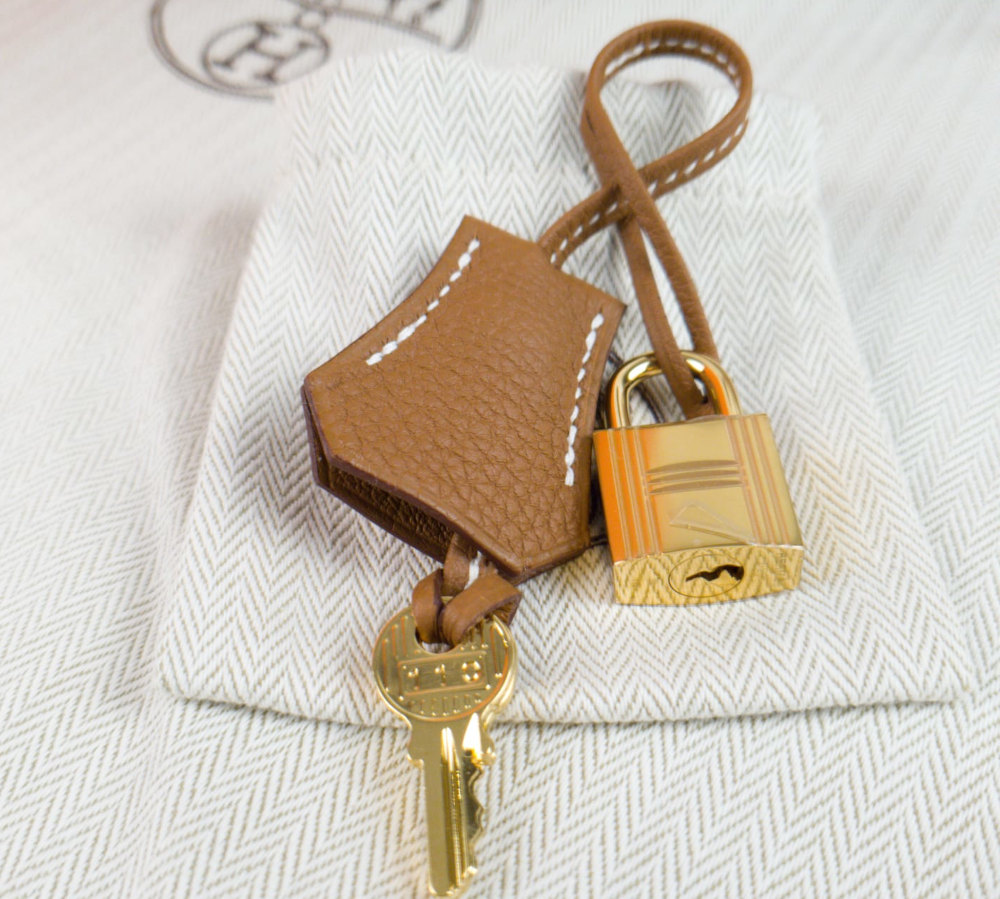
- The clochette, which houses the keys, is made from a single piece of leather—never two stitched pieces—adding to its authenticity.
- Since 2000, genuine Hermes locks feature the word “Hermès” engraved on the bottom, along with one or two sets of numbers that correspond to the key numbers.
The Importance of Uniform Finish and Craftsmanship
- Uniformity in finish across all hardware components is a hallmark of authenticity. Any mismatch in color, sheen, or texture raises red flags.
- The precision of engravings—on both lock and keys—must be consistent and sharp. Irregularities suggest a counterfeit or poor-quality repair.
- Even minor inconsistencies, such as a slightly duller stud or a misaligned buckle, can indicate non-certified work or wear that requires professional attention.
- The integrity of the hardware directly affects the bag’s overall appearance and value. A well-maintained, uniformly finished set enhances the bag’s timeless appeal.
- Only Hermès-certified artisans have access to the proprietary techniques, materials, and finishes required to restore hardware to its original standard.
Identifying Signs That Your Hermes Bag Lock Needs Attention
Common Mechanical Issues with the Lock
A functional lock is essential for both security and the integrity of your Hermès bag. When mechanical problems arise, they often signal internal wear or misalignment that requires expert attention. Ignoring these signs can lead to further damage or even irreversible failure of the mechanism.
- A sticking turn-lock that resists turning or requires excessive force may indicate internal debris, misalignment, or worn components.
- A padlock that refuses to open, even with the correct key, suggests a deeper mechanical issue such as a jammed latch or damaged internal spring.
- Hearing a telltale rattle when moving the bag can point to loose internal parts, including screws, springs, or the key mechanism itself.
- Stiff zippers or snagging on the lining may be linked to hardware misalignment, particularly if the lock or handle is out of position.
- Loose screws in the handle or strap attachments can affect the lock’s alignment, leading to inconsistent function or increased stress on the mechanism.
Visual and Functional Warning Signs
Beyond mechanical failure, visual cues can reveal long-term wear or improper handling that compromises both appearance and function. These signs often precede more serious issues and should prompt a professional evaluation.
- Dull or chipped gold or palladium plating on the lock indicates prolonged exposure to friction, chemicals, or improper cleaning methods.
- Visible scratches, deep grooves, or uneven wear patterns on the lock surface may suggest repeated misuse or non-certified repair attempts.
- Misaligned or crooked lock placement—especially if it doesn’t sit flush with the bag’s body—can result from impact or incorrect handling.
- The presence of foreign materials (e.g., dirt, lint, or residue) trapped in the lock mechanism may accelerate wear and hinder smooth operation.
- A key that doesn’t fully insert or withdraw smoothly may reflect wear on the lock’s internal cylinder or a mismatched key.
Addressing these signs early ensures that repairs can be performed using authentic materials and techniques, preserving your bag’s value, authenticity, and timeless craftsmanship.
Why DIY Fixes Are Not Recommended for Hermes Bag Locks
Attempting to repair a Hermes bag lock at home may seem like a cost-saving shortcut, but it carries significant risks that can compromise your bag’s authenticity, value, and structural integrity. The lock is not just a functional component—it’s a hallmark of the bag’s craftsmanship and a key identifier of authenticity. Any unauthorized intervention can irreversibly alter its original condition.

Risks of Using Non-Certified Repair Services
- Non-certified repairers often lack access to Hermès-specific materials, such as proprietary glues, dyes, and hardware finishes.
- Improper techniques can lead to misalignment, weakened joints, or damaged internal mechanisms that are difficult to reverse.
- Alterations made outside of Hermès-approved workshops may void the bag’s authenticity and make future authentication or resale more challenging.
- Even minor changes to the lock’s finish or engraving can be detected by experts, undermining the bag’s provenance.
Consequences of Improper Materials and Techniques
- Using generic adhesives or cleaning agents can cause irreversible discoloration, warping, or cracking of the leather.
- Incorrect thread types or stitching methods may lead to loose seams or premature fraying.
- Applying non-Hermès-compatible dyes can result in uneven coloration or pigment transfer to the lining or handles.
- Home remedies for stains or water damage often worsen the condition, leading to permanent marks or loss of grain structure.
Only Hermès-certified artisans have the training, tools, and access to original materials required to restore your bag to its intended state. Their work ensures that every repair aligns with the brand’s exacting standards, preserving both the aesthetic and functional integrity of your investment.
The Importance of Professional Hermès Repair Services
When your Hermès bag’s lock shows signs of wear or malfunction, the decision to repair it is more than a maintenance task—it’s a commitment to preserving a legacy. Only certified Hermès artisans possess the exclusive training, materials, and access to brand-specific protocols required to restore your bag to its original state. Their expertise ensures every repair honors the meticulous craftsmanship that defines Hermès creations.
Access to Proprietary Materials and Techniques
- Only Hermès-certified artisans have access to the brand’s proprietary dyes, leathers, and hardware finishes, including rare palladium, gold plating, and guilloche patterns.
- These specialists are trained in unique techniques such as saddle stitching, precise edge painting, and hand-finishing, all of which are essential for maintaining authenticity.
- Non-certified repairers lack the tools and materials to match the original finish, risking visible inconsistencies in color, texture, or sheen.
- Using generic adhesives, threads, or cleaning agents can permanently damage the leather, warp the structure, or cause irreversible discoloration.
Preserving Authenticity and Value
- Professional repairs ensure that all fixes align with the original craftsmanship, preserving the bag’s legacy and provenance.
- Restoration work by certified experts keeps the bag looking as close to store-fresh as possible, maintaining its visual and tactile integrity.
- Documentation from recognized Hermès workshops can support future resale, appraisal, or authentication, adding credibility to the bag’s history.
- A properly repaired Hermès bag retains its investment value, as collectors and buyers prioritize originality and expert care.
- DIY or unauthorized repairs can compromise the bag’s authenticity, making it harder to resell or appraise accurately.
What to Expect During a Professional Hermes Bag Repair
When your Hermès bag lock requires attention, professional repair ensures your investment is restored with precision and care. The process is designed to maintain the bag’s authenticity, value, and craftsmanship through expert evaluation and meticulous restoration.
Initial Consultation and Evaluation
The repair journey begins with a thorough consultation and evaluation by trained Hermès artisans. Specialists examine every component of your bag, including the lock, keys, hardware, leather, stitching, and lining. They assess the extent of wear, determine whether the lock mechanism is misaligned, damaged, or obstructed, and identify any underlying issues such as loose screws, worn springs, or damaged clochette components. This initial assessment ensures the repair plan is tailored to your bag’s unique condition and history.
Repair Process and Quality Assurance
- Disassembly and Component Inspection: The lock is carefully disassembled to inspect internal parts. Artisans check for wear, corrosion, or misalignment in the tumblers, springs, and locking mechanism.
- Realignment and Adjustment: If the lock is sticking or not engaging properly, specialists realign components using precise tools to restore smooth operation.
- Hardware Replacement (if needed): Any damaged or worn parts are replaced using authentic Hermès hardware, ensuring consistency in finish, weight, and design. This includes matching palladium, gold-plated, or specialty finishes like guilloche.
- Reassembly and Function Testing: The lock is reassembled with care, then tested multiple times to confirm proper function, including key compatibility and secure locking.
- Final Quality Assurance: The entire bag undergoes a final inspection. Artisans verify that the lock operates flawlessly, all hardware matches, and the bag’s overall appearance remains pristine. Only after passing these standards is the bag returned to you.
This process ensures your Hermès bag not only functions as intended but also retains its original elegance and value.
Types of Repairs Commonly Performed on Hermes Bags
Hermès bags are built to last generations, but even the most carefully used pieces may require professional attention. Certified artisans at Hermès workshops perform a range of specialized repairs to restore both function and beauty, ensuring your bag remains true to its original craftsmanship. These services are tailored to the unique materials and construction methods used in each creation.
Leather Restoration and Conditioning
Leather on Hermès bags—whether Box, Togo, Epsom, or another specialty—is treated with care to preserve its natural character and luxurious feel. Over time, exposure to light, moisture, and daily handling can cause dryness, fading, or surface scratches.
- Rehydration: Dry leather is gently conditioned using proprietary, pH-balanced formulas to restore suppleness without softening the structure.
- Scratch and Scuff Repair: Minor surface marks are buffed with precision tools to reduce visibility while maintaining the leather’s grain.
- Deep Mark Treatment: For more significant damage, restorers use hand-mixed pigments to fill and blend imperfections, matching the original tone and texture.
- Colour Matching: Faded or discoloured areas are corrected using custom-blended dyes that replicate the exact shade of the original leather, ensuring a seamless finish.
These treatments are applied by hand, with attention to grain direction and finish, so the bag retains its authentic appearance and feel.
Hardware and Closure Repairs
The hardware on Hermès bags—including locks, keys, zippers, and base studs—is as meticulously crafted as the leather itself. These components are designed to endure decades of use, but wear can occur, especially on frequently used bags.
- Lock Realignment: If the lock sticks or fails to engage, artisans disassemble and adjust internal mechanisms, ensuring smooth operation and secure locking.
- Key and Clochette Care: Keys are checked for wear, and the clochette (leather lanyard) is inspected for stitching integrity. Authentic clochettes are made from a single piece of leather—replacements must match this standard.
- Hardware Replacement: Worn or damaged components are replaced with original Hermès parts, matching the finish (palladium, gold-plated, guilloche, etc.) and weight.
- Zipper and Stud Maintenance: Zippers are realigned or replaced with matching hardware. Base studs are resecured or replaced to protect the leather and maintain the bag’s stability.
All repairs are performed using brand-approved materials and techniques, preserving the bag’s authenticity and long-term value.
Maintaining Your Hermes Bag to Prevent Future Lock Issues
Proactive care is essential for preserving the integrity and functionality of your Hermès bag’s lock and hardware. By following consistent maintenance practices, you can significantly reduce the risk of lock malfunctions, hardware wear, and other issues that compromise authenticity and value.
Storage Best Practices
Proper storage protects both the leather and hardware from environmental damage and physical wear.
- Store your bag in the original dust bag when not in use to shield it from dust, light, and accidental scratches.
- Avoid placing the bag in direct sunlight or near heat sources, as prolonged exposure can cause leather drying and hardware discoloration.
- Never stack heavy items on top of your Hermès bag, as this can distort the shape and stress the lock mechanism.
Ongoing Maintenance and Inspection
Regular checks help catch minor issues before they escalate into major problems.
- Inspect the lock, keys, and clochette monthly for signs of wear, such as loose screws, fraying threads, or misalignment.
- Verify that the clochette cover remains a single piece of leather—this is a key authenticity marker and a sign of proper construction.
- Check the lock’s operation by attempting to engage and disengage it gently; if it sticks or feels stiff, it may need professional attention.
- Examine the hardware finish (palladium, gold-plated, etc.) for signs of chipping or dulling, which can indicate underlying stress or wear.
- Avoid using household cleaners, oils, or solvents on the leather or hardware—these can permanently damage the finish and compromise the bag’s integrity.
By integrating these habits into your routine, you ensure your Hermès bag remains in optimal condition, preserving its craftsmanship, value, and timeless appeal.
Conclusion
When your Hermes bag lock begins to stick, misalign, or show signs of wear, the most reliable solution is professional repair by certified Hermès artisans. Attempting DIY fixes or using non-certified services risks irreversible damage to the hardware, leather, and overall authenticity—compromising both the bag’s value and its legacy. Only trained experts have access to original materials, proprietary techniques, and the precise standards needed to restore your bag to its intended condition. To protect your investment and preserve its timeless craftsmanship, schedule a consultation with an authorized Hermès workshop at the first sign of trouble.
FAQ
Can I replace a lost Hermes bag lock and key myself?
No, you should not attempt to replace a lost Hermes bag lock and key yourself. Authentic Hermes locks and keys are proprietary components with unique serial numbers, engravings, and finishes that require certified expertise to match. Unauthorized replacements can compromise authenticity, value, and security. Only Hermès-certified artisans can provide genuine replacements using original materials and techniques.
Is it safe to use a non-Hermès repair shop for my bag’s lock?
No, it is not safe. Non-Hermès repair shops lack access to proprietary materials, dyes, and hardware finishes used by the brand. They may use incorrect glues, threads, or cleaning agents that can permanently damage the leather, alter the finish, or distort the bag’s structure. These repairs risk compromising authenticity, resale value, and long-term integrity.
How often should I consider professional repair for my Hermes bag?
Consider professional repair at the first sign of wear—such as a sticking lock, loose hardware, fraying handles, or discoloration. Routine inspections every 6–12 months are recommended, especially for frequently used bags. Early intervention prevents minor issues from becoming major damage and helps maintain the bag’s value and craftsmanship.
What happens if I ignore small issues with my bag’s lock?
Ignoring small lock issues can lead to progressive damage. A sticking lock may eventually jam completely, requiring more extensive repairs. Loose components can cause misalignment, stress on the leather, or internal wear. Over time, this can result in irreversible damage, loss of functionality, and reduced resale value. Addressing issues early preserves both appearance and longevity.
Are all Hermes bags eligible for repair services?
Yes, all authentic Hermes bags are eligible for repair through certified Hermès workshops. This includes Birkin, Kelly, and other models, regardless of age or condition. Repairs cover hardware, leather, stitching, zippers, and linings, using original materials and techniques to maintain authenticity and value.
How do I find a trusted professional Hermès bag repair service?
Contact Hermès directly through their official website or visit a Hermès store to schedule a repair. Only Hermès-certified artisans have access to proprietary materials, techniques, and documentation. Avoid third-party services, even if they claim to specialize in luxury bags—only official Hermès workshops ensure authentic, high-quality restoration.