You’re standing at your safe, heart racing, only to find your electronic lock won’t open—no beep, no response, no access. Whether you’re retrieving a firearm, emergency cash, or essential documents, this moment of being locked out is more than frustrating; it’s a real security crisis. The truth is, battery failure is the most common culprit, but it’s not always about dead batteries. Even fresh ones can fail if they lack sufficient amperage to power the lock’s motor under load.
This guide cuts through the noise with real-world evidence to help you diagnose and fix the issue. You’ll learn how to spot the signs of low amperage, why off-brand batteries often fail, and how storage conditions degrade batteries over time. We’ll walk you through immediate troubleshooting steps—checking contacts, resetting the lock, and verifying alignment—before deciding whether to call a professional. By the end, you’ll know exactly what to do, when to act, and how to prevent future lockouts.
Understanding Why Your Electronic Lock Won’t Open
The Frustration of a Locked-Out Moment
Being locked out of a safe when you need immediate access—whether for a firearm, emergency funds, or critical documents—triggers more than inconvenience; it creates a real security crisis. The sudden silence from the keypad, the absence of a confirming beep, and the physical barrier of a locked door can provoke anxiety, especially when time is of the essence. This moment of helplessness underscores the critical role electronic locks play in personal safety and preparedness. When the system fails, it’s not just a technical glitch—it’s a breakdown in trust and control.

Common Scenarios Where This Happens
High-stakes situations often reveal the true vulnerability of electronic locks. For instance, a homeowner attempting to retrieve a firearm during a break-in, a hunter needing quick access to gear in harsh weather, or an individual seeking emergency cash during a medical emergency—all face the same urgent challenge: a lock that won’t respond. Evidence confirms that battery failure is the most frequent cause of such failures, but it’s not always a dead battery.
Even fresh batteries can fail if they lack sufficient amperage to power the lock’s motor under load. This is especially true with off-brand or low-quality batteries, which may show a high static voltage but collapse under real-world demand. The result? A lock that appears functional—lighting up, beeping, or accepting input—yet fails to complete the unlocking sequence.
The #1 Cause of Electronic Lock Malfunction
Why Dead Batteries Are So Common
Dead batteries are the most frequent cause of an electronic lock failing to open. This is especially true for locks that rely on consistent power to operate motors, solenoids, or biometric sensors. Evidence from real-world troubleshooting shows that even when a lock appears to function—lighting up, beeping, or accepting input—the motor may lack the power to complete the unlocking sequence.

This often happens when the battery voltage drops below the threshold needed to drive the lock’s mechanism under load. Many users don’t notice the gradual decline in performance until they’re locked out, making proactive battery replacement essential.
Amperage vs. Voltage
While voltage measures the electrical pressure available, amperage measures the volume of current the battery can deliver. A battery may show a high static voltage (e.g., over 9 volts) when tested with a multimeter, but fail under load due to insufficient amperage output. This is particularly common with off-brand or low-quality batteries, which may have a lower current capacity despite appearing functional. According to verified technician reports, insufficient amperage is the second most common reason for lock failure, even when batteries are not fully depleted.
Key differences between voltage and amperage:
– Voltage determines whether the lock receives enough electrical “push” to activate.
– Amperage determines whether the lock receives enough electrical “flow” to complete mechanical actions like extending a deadbolt.
A battery with adequate voltage but low amperage may power the keypad and display but fail to drive the motor. This explains why a lock might respond to code entry but not unlock. Always use high-quality alkaline batteries—such as Duracell or Energizer—and avoid NiMH rechargeables, which operate at 1.2V instead of the standard 1.5V.
Why Some Batteries Fail Even When They’re New
The Expiration Date Myth
Batteries have a typical expiration window of five years from their date of manufacture, regardless of whether they’ve been used. This means a battery purchased in 2023 will expire in 2028, even if it’s stored in a drawer untouched. The misconception that “new” batteries are always reliable is dangerous—many off-brand or bulk-packaged batteries are already years old by the time they reach store shelves.
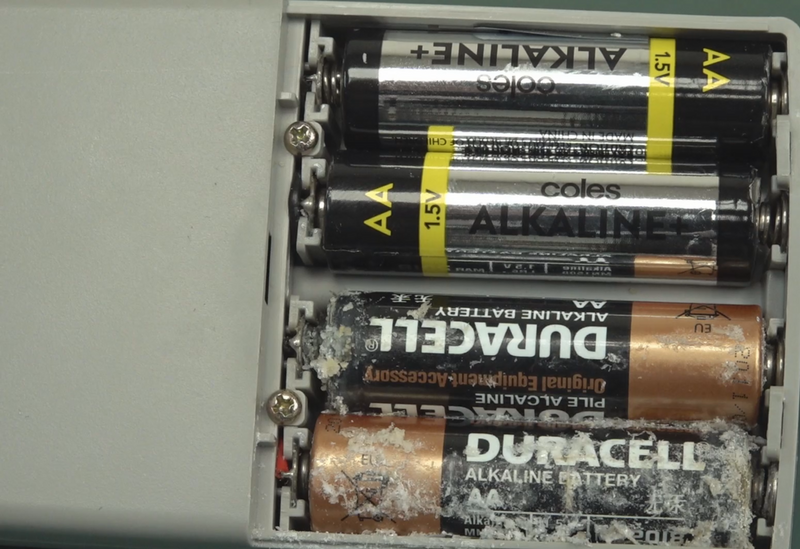
One technician found batteries in an auto parts store that were four years past their manufacture date, and others ordered online were similarly aged. Even if a battery appears functional, its amperage capacity may have degraded significantly over time, reducing its ability to deliver the sustained current needed to power a lock’s motor.
Storage Conditions That Damage Batteries
Storing batteries in the refrigerator is a common but harmful practice. While it may seem logical to cool batteries to extend life, the humidity inside a fridge causes moisture to condense when batteries are removed and warmed to room temperature. This condensation can seep into the battery casing, leading to internal corrosion and reduced performance.
The temperature shift also stresses the battery’s internal chemistry. Instead, store unused batteries in a cool, dry place at room temperature—such as a kitchen cabinet or drawer—away from heat sources and direct sunlight. This environment maximizes shelf life and ensures the battery maintains its full amperage output when needed. Remember, even unused batteries degrade over time; their capacity diminishes steadily, especially after the first two years.
Choosing the Right Battery for Your Electronic Lock
Why Off-Brand Batteries Underperform
Off-brand batteries often have lower amperage output, which is critical for high-demand devices like gun safes and electronic locks. While they may show a full voltage reading when tested without a load, their performance drops significantly under real-world conditions. The lock’s motor requires a sustained current burst to extend the deadbolt, and batteries with insufficient amperage capacity can fail to deliver this, even if they appear functional.
This can cause the lock to beep, freeze mid-entry, or fail to respond entirely—leading to a false sense of security. Many technicians report that off-brand batteries, despite being cheaper, are the root cause of recurring lock failures.
The Importance of Brand and Freshness
Duracell batteries are consistently recommended by technicians for reliable performance in electronic locks due to their consistent amperage output and stable chemistry. However, even high-quality batteries can fail if they’re not fresh. A battery’s expiration date is typically five years from its manufacture date, but many stores stock batteries that are already two to four years old.
A technician tested batteries purchased from an auto parts store and online, both of which were four years past their manufacture date and failed load tests. Even if a battery is labeled “new,” its amperage may have degraded over time. Always check the expiration date before installing batteries in a critical device. Store unused batteries in a cool, dry place at room temperature—never in the refrigerator—to prevent moisture damage and maintain performance.
Mechanical and Alignment Issues That Prevent Unlocking
Door and Strike Plate Misalignment
A common but often overlooked cause of electronic lock failure is misalignment between the door, strike plate, and bolt hole. When the door closes, the deadbolt must extend smoothly into the strike plate. If the door frame or strike plate is slightly off, the bolt may hit the frame or strike instead of seating properly.
This resistance prevents full extension, causing the lock to fail. The issue is frequently identified when the lock works fine with the door open but fails when closed. This symptom indicates that mechanical binding occurs only under the pressure of the door closing. Verify alignment by checking that the bolt hole is at least 1 inch deep and free of debris—this depth ensures the bolt can fully extend without obstruction.
Latching Problems and Binding
Binding can also result from improper installation or door movement over time due to seasonal changes in temperature and humidity. Over-tightening the mounting screws can warp the lock housing or shift the door frame, creating misalignment. Similarly, if the strike plate is not flush with the door frame, the bolt may not seat correctly. To diagnose, manually extend the bolt while the door is open and observe if it moves freely.
If resistance is felt, the issue is mechanical. Avoid using oil-based lubricants, which attract dust and worsen binding. Instead, use a non-greasy graphite spray to lubricate the internal mechanism. If the bolt still doesn’t extend fully, recheck the alignment of the strike plate and door frame. Minor adjustments may be needed to ensure the bolt enters the hole straight and without friction.
Troubleshooting Steps When Your Lock Isn’t Responding
The Diagnostic Order
When your electronic lock fails to respond, follow this proven sequence to identify and resolve the issue efficiently. Start with the most common cause: battery failure. Even if the keypad lights up or the lock seems to have power, weak or low-amperage batteries can prevent the motor from completing a lock or unlock cycle.
Evidence shows that battery issues are the primary reason for electronic lock failure. Replace batteries annually, even if they appear functional, to prevent unexpected lockouts. Use high-quality alkaline batteries—specifically recommended brands like Duracell—to ensure sufficient amperage for consistent performance.
What to Do When the Keypad Is Dark
If the keypad is completely dark, unresponsive, or shows no signs of power, the issue is almost certainly power-related. First, remove the battery compartment cover and inspect the battery contacts for dirt, corrosion, or oxidation. Clean them gently with a dry cloth or pencil eraser to restore proper conductivity.
If the contacts are clean but the lock remains unresponsive, remove the batteries and wait 10 minutes before reinserting fresh, high-quality alkaline batteries. This reset can clear temporary electronic glitches. If the keypad still doesn’t respond after battery replacement and contact cleaning, the lock may require a full factory reset using the reset button (typically located inside the battery compartment). Hold it for 10 seconds until a beep confirms the reset, then reprogram the lock according to the manufacturer’s instructions.
When to Seek Professional Help
Signs That Indicate a Deeper Problem
If your electronic lock remains unresponsive despite fresh, high-quality batteries and clean contacts, the issue likely extends beyond simple power failure. Evidence indicates that persistent problems—such as a motor attempting to operate but the bolt failing to extend, a lock beeping without completing a cycle, or the mechanism seizing entirely—point to underlying mechanical or electrical faults. These symptoms often stem from misalignment, internal component wear, or damage from improper installation.
Forcing the lock open can worsen internal damage, potentially rendering the entire mechanism inoperable. If the lock fails to respond to any input—including the physical key, keypad, or app—after confirming battery integrity and proper setup, it is a clear signal that professional assessment is needed.
Emergency Access and Safety
In urgent situations where you’re locked out or unable to access your property, do not attempt to force the lock open. This can cause irreversible damage to the mechanism or door frame. Instead, contact a licensed locksmith or the lock’s manufacturer immediately.
Many electronic locks include a physical key backup, but it may not function if the internal mechanism is jammed or misaligned. Emergency services or professional lock technicians are trained to safely gain access without causing harm. Reputable providers, such as those offering US-based support, can diagnose issues remotely and dispatch experts when necessary. Prioritizing professional intervention ensures both safety and the preservation of your lock’s functionality.
Conclusion
When your electronic lock won’t open, the most common cause is battery failure—not just dead batteries, but those with insufficient amperage to power the lock’s motor under load. Even fresh, high-quality batteries can fail if they’re old, improperly stored, or from unreliable brands. Always use reputable alkaline batteries like Duracell and check expiration dates before installation.
Start troubleshooting with the simplest fix: replace the batteries with new, high-amperage ones and clean the battery contacts. If the lock remains unresponsive, verify alignment of the door, strike plate, and bolt hole—misalignment is a frequent but overlooked issue. For persistent problems, perform a factory reset and reprogram the lock, but avoid forcing the mechanism.
If none of these steps work, especially if the lock beeps but doesn’t complete the unlock cycle, contact a professional locksmith or the manufacturer. For safety and long-term reliability, treat your electronic lock as a critical security component—not a passive device—and maintain it proactively.
FAQ
Why is my smart lock beeping but not locking?
Your smart lock may beep due to low battery power, which prevents the motor from completing the locking cycle. This is a safety feature to avoid locking you out. Check the battery level in the app or replace the batteries with fresh, high-quality alkaline ones. If the issue persists, ensure the bolt hole in the door frame is at least 1 inch deep and free of debris, and verify that the door closes properly without misalignment.
Can a smart lock work if the Wi-Fi goes down?
Yes, most smart locks continue to function without Wi-Fi. Keypad entry, fingerprint scanning, and physical key access remain operational. Remote features like app control, voice commands, and push notifications require an active internet connection. For Wi-Fi smart locks, local functions such as locking and unlocking via the keypad or app (when within range) still work offline.
How do I reset my smart lock without the code?
Use the physical reset button, typically located inside the battery compartment. Hold it for 10 seconds until you hear a beep. This performs a factory reset, erasing all user codes and fingerprints. After resetting, reprogram the lock using the manufacturer’s instructions. Always use the physical key to gain entry before resetting if you’re locked out.
Why does my smart lock drain batteries so fast?
Rapid battery drain is often caused by mechanical resistance—such as a misaligned door or stiff bolt—forcing the motor to work harder. Poor Wi-Fi signal strength can also cause constant connectivity searches, draining power. Use high-quality alkaline batteries and ensure your router or gateway is within a reasonable distance. Regular maintenance and proper alignment reduce strain on the motor.
My fingerprint worked fine for months and suddenly stopped. What happened?
Sudden fingerprint failure is usually due to a dirty sensor, dry or wet skin, or low battery affecting the AI chip’s processing speed. Clean the sensor with a dry microfiber cloth and dry your finger. Check the battery level and re-enroll your print if needed, going through all enrollment steps carefully to build a robust template.
Still Having Trouble? We’re Here to Help.
If troubleshooting steps don’t resolve the issue, contact the manufacturer’s support team. Many companies offer US-based phone and email support, remote diagnostics, and fast replacement fulfillment. For persistent mechanical or electrical problems, a licensed locksmith or certified technician may be required to safely repair or replace the lock.