You’re standing in the cold, fumbling with your key, only to find your car door lock won’t turn, won’t unlock, or won’t latch properly—leaving you stranded or locked out. These issues aren’t just frustrating; they compromise your vehicle’s security and can escalate quickly if ignored. Whether it’s a frozen lock after a winter storm, a key that won’t insert smoothly, or a power lock that fails intermittently, the root cause could be mechanical wear, electrical failure, or even a simple misalignment.
This guide walks you through diagnosing the real problem—whether it’s electrical or mechanical—so you know exactly what to fix. You’ll learn safe, step-by-step solutions for sticky or frozen locks, how to check fuses and key fob batteries, and when to call a professional to avoid costly damage. By the end, you’ll understand how to restore reliable access, prevent future issues, and make smart decisions about repairs—without wasting time or money on the wrong fix.
Understanding Common Car Door Lock Problems
Car door lock problems are more than just minor inconveniences—they can compromise your vehicle’s security, safety, and reliability. Whether you’re dealing with a key that won’t turn, a door that won’t latch, or a power lock that fails intermittently, the root cause often lies in mechanical wear, electrical failure, or environmental damage. Ignoring these issues can lead to repeated lockouts, broken keys, damaged internal components, or even unexpected door openings while driving.
The Five Most Common Car Door Lock Issues
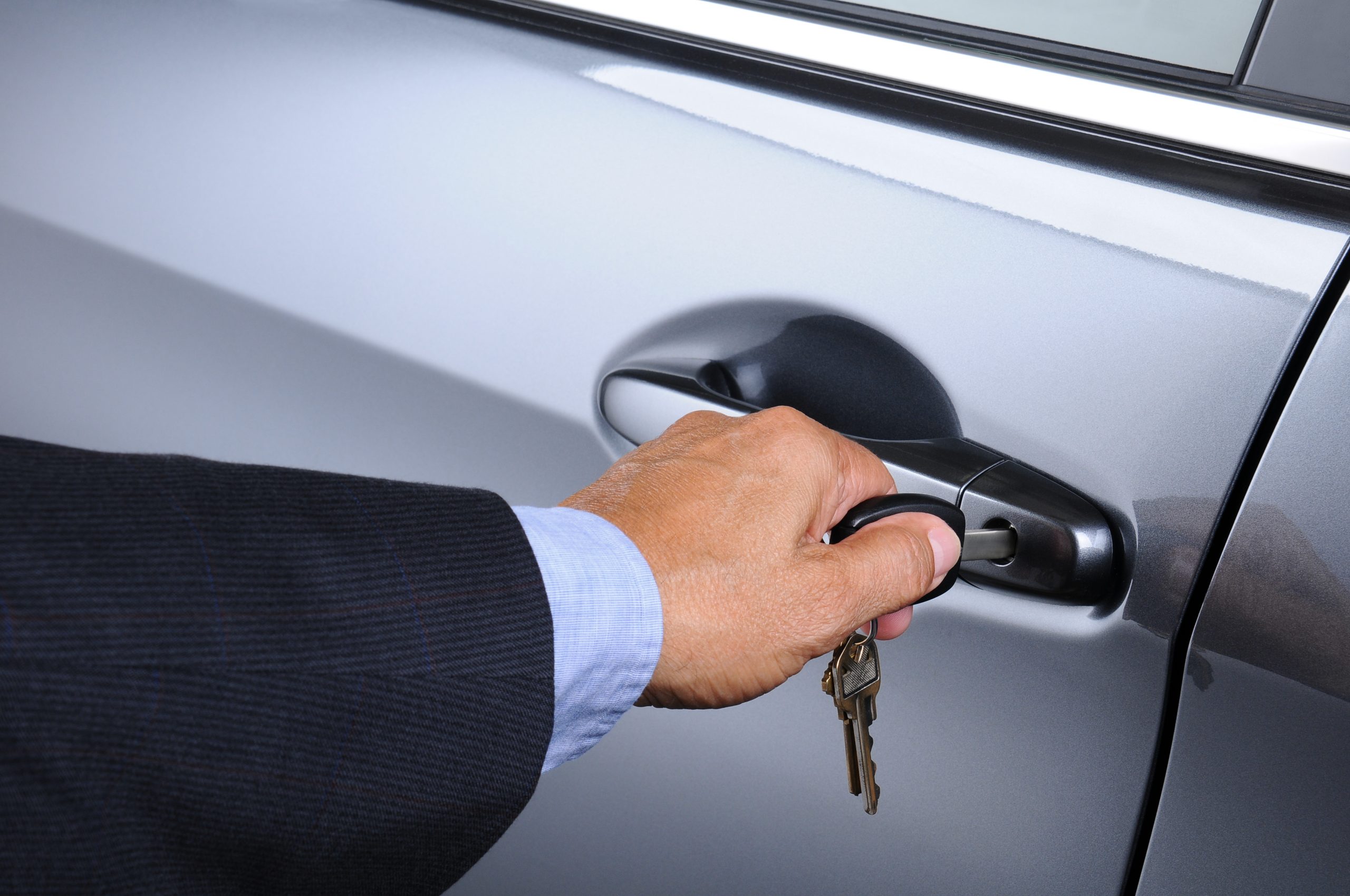
- Sticky locks: The key inserts but feels stiff or gritty when turning. This is often due to dirt, rust, or internal wear in the lock cylinder.
- Frozen locks: Moisture inside the lock cylinder ices up during cold weather, preventing the key from inserting or turning.
- Key insertion problems: The key won’t slide in smoothly, which may indicate a mismatched key, debris in the cylinder, or internal damage.
- Locks that won’t turn: Even if the key is inserted fully, it may not rotate—signaling a worn cylinder, broken internal pin, or mechanical binding.
- Misaligned doors: The door closes but doesn’t latch properly, requiring a second push or slamming to secure. This often results from worn hardware, bent latches, or door frame misalignment.
Why Ignoring Lock Problems Can Be Risky
- A door that won’t latch securely can pop open unexpectedly, creating a serious safety hazard during driving.
- A lock that fails to engage properly leaves your vehicle vulnerable to theft or unauthorized access.
- Forcing a stuck lock can break the key inside the cylinder or damage the lock mechanism, increasing repair costs significantly.
- Electrical issues like a failing actuator or corroded wiring may initially seem minor but can spread to affect windows, mirrors, or the central locking system.
- Delaying repairs often turns a simple fix—like replacing a weak key fob battery—into a complex, expensive job requiring component replacement or professional diagnostics.
Electrical vs. Mechanical Issues
Distinguishing between electrical and mechanical failures is the first critical step in fixing car door lock problems. Misdiagnosing the root cause can lead to wasted time, unnecessary part replacements, and even further damage. By identifying the nature of the issue early, you can avoid costly mistakes and choose the right repair path.
Is It Electrical?
Electrical issues account for over 40% of car door lock failures and often affect multiple systems simultaneously. If your power locks are unresponsive, start with these diagnostic steps:
- Test each door individually to determine if the issue is isolated or affects multiple doors.
- Monitor dashboard warning lights for lock-related alerts or error messages.
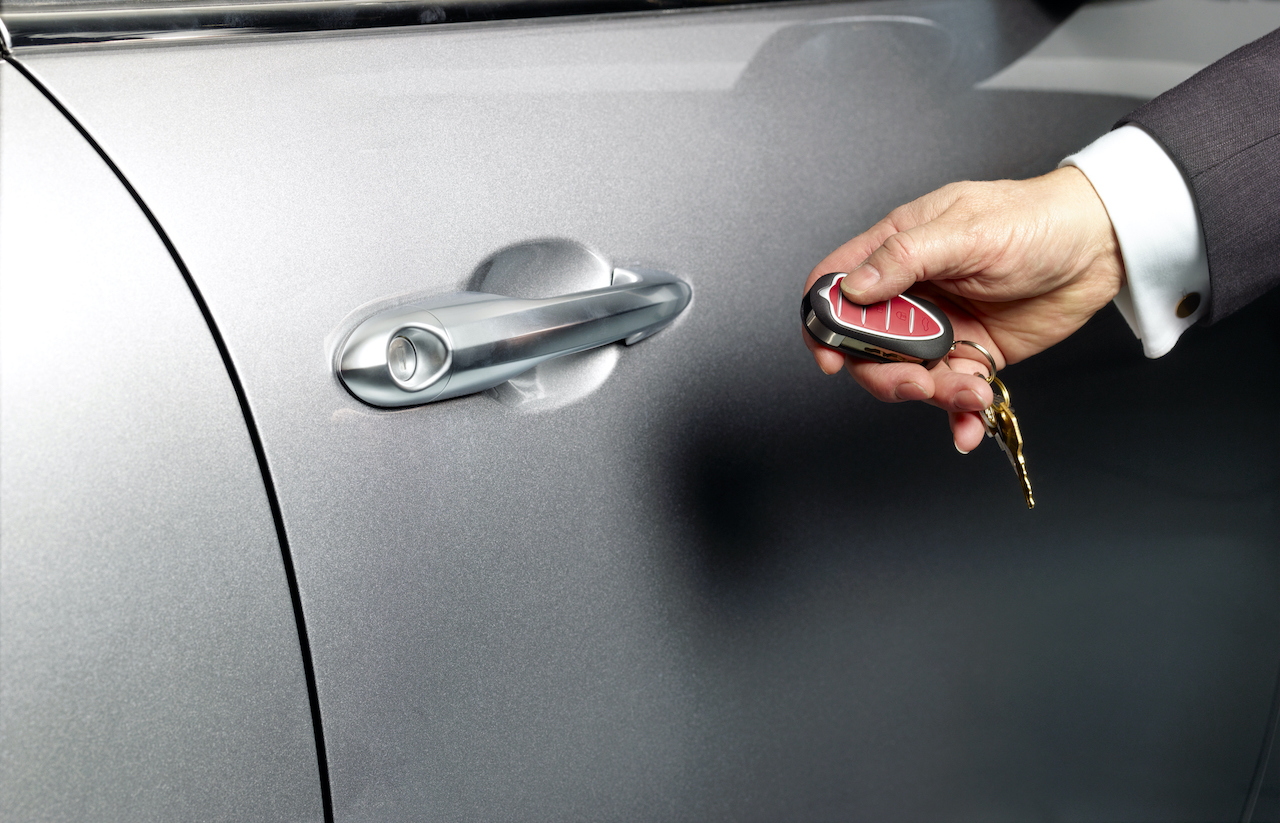
- Check if the key fob works inconsistently while the interior switch functions normally—this suggests a remote or antenna issue.
- If the lock makes a buzzing, clicking, or grinding sound but doesn’t move, the actuator may be failing.
- A blown fuse, weak key fob battery, or damaged wiring harness in the door jamb can cause intermittent or total lock failure.
- Electrical problems often impact other door functions—such as windows, mirrors, or speakers—on the same door, indicating a shared wiring issue.
Check for Mechanical Failures
Mechanical issues stem from physical wear, environmental damage, or misalignment. These problems are typically localized and don’t involve electrical systems. Watch for these signs:
- A key that won’t insert smoothly or spins freely in the lock cylinder, indicating a worn or misaligned lock mechanism.
- A sticky or stiff manual lock that requires excessive force to turn, often due to dirt, rust, or internal wear.
- A loose doorknob or lever that wobbles when pulled, suggesting a loose fastener or damaged handle assembly.
- The door closes but doesn’t latch properly, requiring a second push or slam—this points to misalignment or a worn latch.
- Frozen locks due to moisture freezing inside the cylinder, especially after cold weather or rain.
Addressing mechanical issues early prevents further damage to internal components and avoids the risk of breaking a key inside the lock.
Quick Fixes for Common Lock Problems
When your car door lock acts up, quick, safe fixes can save time and prevent further damage. These solutions address mild or temporary issues without requiring professional tools or disassembly.
Thawing a Frozen Lock
A frozen lock occurs when moisture inside the lock cylinder ices up, often after freezing rain or overnight cold snaps. The key may not insert fully or turn at all, creating a frustrating blockage.
- Use a thawing spray designed for automotive locks—never hot water, which can crack the cylinder or damage internal components.
- Apply the spray directly into the keyhole while holding the can upright.
- Wait 30–60 seconds to allow the solvent to penetrate and melt the ice.
- Gently insert and remove the key several times to work the thawed ice out and redistribute the lubricant.
- Test the lock—if it still resists, repeat the process or consider professional help if the key is binding.
Avoid forcing the key, as this can bend it or damage the cylinder.
Lubricating a Sticky Lock
A sticky lock feels stiff or gritty when turning, often due to dirt, rust, or lack of maintenance. Regular lubrication prevents this issue from worsening.
- Choose graphite lubricant—it resists dust buildup and doesn’t attract grime like oil-based products.
- Insert the nozzle of the spray into the keyhole.
- Spray while slowly inserting and removing the key—this ensures even distribution inside the cylinder and along the linkage pivots.
- Repeat 3–4 times to fully coat internal components.
- Test the lock with the key to confirm smooth operation.
Apply this maintenance every three months to keep locks functioning reliably.
Signs You Need Help
Scenarios That Require Immediate Professional Attention
Certain symptoms indicate that DIY attempts could worsen the problem or cause irreversible damage. If you’re experiencing any of the following, stop and contact a professional locksmith:
- The key is starting to twist or feels unusually loose in the lock cylinder—this often signals internal wear or misalignment.
- The key won’t turn at all, even after safe thawing attempts for frozen locks.
- You’ve already had a complete lockout where the key fails to engage, indicating potential internal damage.
- The key is stuck in the lock, especially if you’ve tried to force it—this increases the risk of breaking off inside the cylinder.
- You suspect internal damage from prior forced attempts, such as a bent key or grinding resistance.
These signs suggest the lock cylinder or internal mechanism may be compromised, and attempting to force the lock can lead to costly repairs.
Why DIY Can Make Things Worse
Attempting to fix complex lock issues with household tools or improvised methods often causes more harm than good. Common DIY mistakes include:
- Using coat hangers, slim jims, or wire tools—these can damage weatherstripping, scratch paint, or break internal door mechanisms.
- Forcing the key—this can bend or snap the key, leaving a broken piece inside the cylinder.
- Pushing a broken key piece deeper—if you try to extract it yourself, the fragment may lodge further into the lock, making professional extraction more difficult and expensive.
- Applying oil-based lubricants—these attract dust and grime, leading to faster buildup and increased stiffness over time.
Professional extraction typically costs $100–200 and takes 20–30 minutes. In contrast, DIY attempts can escalate a minor issue into a full cylinder replacement ($150–300) or even require door panel removal and frame repairs. A $100 fix can quickly become $300–500 if damage compounds.
Fuses, Batteries, and Wiring
Check the Fuse Box
Electrical issues are a leading cause of power door lock failure. Start by locating your vehicle’s fuse box—refer to your owner’s manual for exact placement, typically under the dashboard or in the engine compartment.
- Inspect fuse #21 or #23, commonly assigned to the power door lock system.
- A blown fuse appears visibly damaged, with a broken filament or melted metal.
- Replacing a blown fuse is a simple, low-cost fix that resolves nearly 18% of intermittent lock issues caused by voltage disruptions.
- Use a fuse puller or tweezers to remove the old fuse.
- Replace it with a new one of the same amperage rating.
- If the new fuse blows immediately, there’s likely a short circuit or deeper wiring fault requiring professional diagnosis.
Test the Key Fob and Battery
Weak batteries are responsible for 58% of remote lock failures. Most key fobs use a CR2032 battery, which typically lasts 3–4 years.
Battery Replacement Steps:
- Carefully open the fob casing using a small flat tool or your fingernail.
- Note the battery’s orientation (positive and negative sides).
- Insert the new battery, ensuring correct polarity.
- Reassemble the fob.
- Test all buttons to confirm full functionality.
- If the fob still doesn’t work after a new battery, check for corroded contacts inside the casing.
- Clean corroded contacts with isopropyl alcohol and a cotton swab.
- Worn button membranes or synchronization errors may prevent signal transmission.
Many manufacturers offer DIY reset sequences, such as cycling the ignition while pressing lock buttons. For persistent issues—especially with transponder chips or encrypted signals—professional reprogramming may be necessary.
| Cause | Percentage of Failures | Recommended Action |
|---|---|---|
| Corroded contacts | 32% | Clean with isopropyl alcohol |
| Faulty receiver | 32% | Professional inspection |
| High-interference zones | — | Avoid parking garages or metal structures |
From Actuators to Misalignment
Replacing a Failing Actuator
A failing actuator often manifests as erratic locking behavior, grinding noises, or a door that refuses to respond to remote or switch commands. Driver-side actuators fail 60% more frequently due to higher usage and exposure to weather elements. When the actuator fails, the lock mechanism cannot move properly, even if the electrical signal is sent.
- Symptoms to watch for: Clicking without movement, grinding sounds, or inconsistent operation.
- Replacement cost: Parts range from $125–$250; labor adds $100–$150.
- Process overview:
1. Disconnect the vehicle’s battery to prevent electrical shorts.
2. Remove the interior door panel using a trim tool and screwdriver.
3. Locate the actuator, typically near the lock mechanism.
4. Disconnect the electrical connector and remove mounting bolts.
5. Install the new actuator, ensuring precise alignment with the lock rod.
6. Reconnect the wiring, reattach the door panel, and test all lock functions.
Improper alignment can cause binding or premature wear. Always verify smooth operation before finalizing the repair.
Fixing a Misaligned Door Lock
Misalignment occurs when the door closes but doesn’t fully latch, bounces back after a push, or requires force to lock. This can stem from a bent striker, worn hinges, or a damaged door frame—especially after minor accidents or road impacts.
- Common causes:
- Door hinge sag due to wear or impact.
- Bent door frame from a collision.
- Misaligned striker plate or latch mechanism.
- DIY vs. professional help:
- If the issue is minor and the hardware is intact, a locksmith can adjust the striker plate or latch alignment.
- If the door sags, hinges are loose, or the frame is bent, a body shop or mechanic is required.
- Key signs of structural misalignment:
- Visible gap between the door and frame.
- Door rubs or binds when closing.
- Lock engages only when the door is slammed.
Attempting to force the door or adjust hardware without proper tools can worsen damage. A professional inspection ensures the fix addresses the root cause and restores both function and safety.
How to Prevent Future Lock Problems
Regular Lubrication and Inspection
Prevent mechanical lock issues by maintaining your door locks proactively. Apply graphite lubricant every three months to lock cylinders and linkage pivots. This prevents dust buildup and avoids gumming up—unlike oil-based products, which attract dirt and can worsen sticking over time.
Use a lock-specific graphite spray: insert the nozzle into the keyhole, then slowly insert and remove the key while spraying to distribute the lubricant evenly. This simple routine keeps tumblers moving smoothly and reduces wear on internal components.
- Use only graphite-based lubricants—never oil, WD-40, or silicone sprays.
- Lubricate all door locks, including the trunk and fuel door if applicable.
- Check for signs of wear during each session: stiffness, grittiness, or inconsistent operation.
Avoiding Common Mistakes
Stop forcing the lock early to avoid broken keys and damaged hardware. If the key feels stiff or won’t turn, don’t apply excessive pressure—this can bend the key or damage the lock cylinder. Instead, treat lock problems as a quick decision, not a long project, to prevent repeated lockouts and costly repairs.
If the issue persists after lubrication, call a professional locksmith before attempting DIY fixes. Forcing the lock can push broken pieces deeper into the cylinder, increasing repair complexity and cost.
- Never use coat hangers, slim jims, or other improvised tools.
- Avoid attempting to extract a broken key yourself—professional extraction typically costs $100–$200 and takes 20–30 minutes.
- If the lock makes grinding or buzzing noises, it may indicate internal damage—seek help immediately.
Conclusion
Car door lock problems are more than just a nuisance—they can compromise your vehicle’s security, safety, and reliability. The key to fixing them lies in identifying whether the issue is mechanical, electrical, or remote-related, and acting before minor symptoms turn into major damage. For sticky or frozen locks, safe lubrication with graphite spray and careful thawing can restore function, but forcing a key or using improvised tools risks breaking it inside the cylinder.
If the lock won’t turn, the key is stuck, or the actuator makes grinding noises, stop and call a professional locksmith. DIY attempts often lead to costly repairs, especially when internal components are damaged. A qualified technician can diagnose the root cause—whether it’s a failed actuator, corroded wiring, or misaligned latch—and fix it without unnecessary damage. Schedule service with a trusted provider like Great Valley Lockshop for prompt, on-site help and peace of mind.
FAQ
What should I do if my car door lock won’t turn?
If your car door lock won’t turn, stop forcing it immediately to avoid breaking the key or damaging the cylinder. First, confirm you’re using the correct key—keys can look similar but aren’t interchangeable. If the key is right, the issue is likely a sticky or worn lock cylinder. Try lubricating the keyhole with graphite spray, then gently work the key in and out. If the lock remains stiff or the key twists, internal damage may be present. In this case, avoid DIY attempts and contact a professional locksmith to prevent further damage.
Can I fix a frozen car door lock myself?
Yes, you can safely thaw a frozen car door lock yourself using a dedicated lock thawing spray. Never use hot water, as it can crack the cylinder. Spray the thawing agent directly into the keyhole, wait 30–60 seconds, then gently insert and remove the key several times to work out the ice. If the lock still won’t turn after thawing, it may have internal damage or debris. Avoid forcing the key—this can bend it or push broken pieces deeper. If the issue persists, call a professional locksmith.
When should I call a locksmith instead of trying to fix it myself?
Call a locksmith if the key is stuck, won’t turn after safe thawing, or shows signs of internal damage like twisting or grinding. Attempting to extract a broken key or force a lock can push debris deeper, increasing repair costs. If you’ve already forced the lock and it’s damaged, a professional is essential. Also, if the lock is misaligned, the actuator is failing, or the door won’t latch properly, a locksmith can diagnose and fix the root cause without unnecessary damage to your vehicle.
How much does it cost to fix a car door lock?
Most car door lock repairs cost between $50 and $300, depending on the issue and whether the work is done on-site. Simple fixes like replacing a key fob battery or lubricating a sticky lock may cost under $50. Replacing a lock cylinder ranges from $150 to $300. Professional extraction of a broken key typically costs $100–$200. A failing actuator replacement includes parts ($125–$250) and labor ($100–$150). On-site service from a mobile locksmith often includes upfront pricing and same-day availability.
Why does my key fob stop working sometimes?
Your key fob may stop working due to a weak battery, which causes 58% of remote lock failures. Most fobs use a CR2032 battery lasting 3–4 years. Other causes include corroded contacts, worn button membranes, or synchronization errors. If the fob works after replacing the battery, the issue was likely power-related. If not, check for corrosion inside the casing using isopropyl alcohol. Persistent issues may require professional reprogramming, especially if the transponder chip is damaged. Signal interference from buildings or electronics can also reduce range.
Is it safe to use WD-40 on a car door lock?
No, it’s not safe to use WD-40 on a car door lock. While it may temporarily loosen a sticky lock, WD-40 is oil-based and attracts dust, dirt, and grime over time, leading to faster buildup and increased stiffness. This can worsen the problem. Instead, use graphite lubricant, which resists dust and doesn’t gum up. Apply it through the keyhole while inserting and removing the key to evenly coat internal components. Graphite is the recommended lubricant for lock cylinders and linkage pivots.