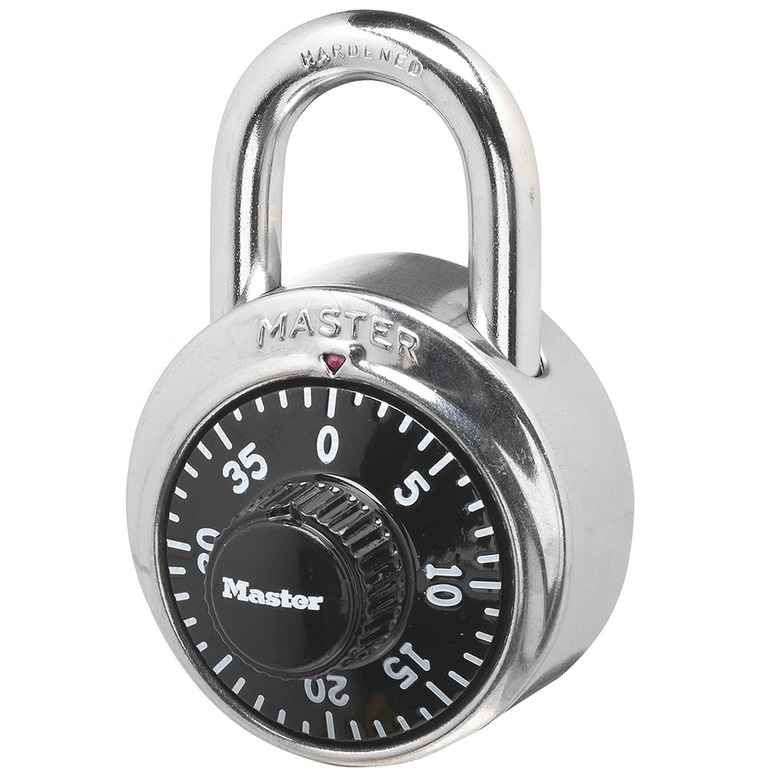
You’ve locked something important away with a Master Lock—only to realize you’ve lost the key or forgotten the combination. Whether it’s a storage box, a gate, or a locker you haven’t used in months, this kind of access loss is frustrating and common. The good news is, you’re not stuck. This guide walks you through proven, evidence-based methods to open a Master Lock without the combination or key, from non-destructive techniques like using a shim or a knife to force-based approaches like bolt cutters or hammering. We’ll also cover how to recover your combination through Master Lock’s official support, when to call a locksmith, and how to avoid future lockouts by choosing the right lock and storing your combination securely. By the end, you’ll know exactly what to try—and when to stop and seek help.
Understanding the Need to Open a Master Lock
Losing access to a secured item is a common and frustrating experience, especially when the lock is a Master Lock used for storage, gates, or lockers. Whether you’ve misplaced a key, forgotten a combination, or inherited a locked container with no access details, the situation can feel overwhelming. The very security that locks are designed to provide can become a barrier when access is lost.

Common Scenarios Leading to Lost Access
- Infrequent use: Locks used seasonally or rarely are more prone to forgotten combinations.
- Key loss: Small padlock keys are easily misplaced, especially if stored in pockets or bags.
- Relocation or inheritance: Taking over a storage unit, shed, or locker from someone else often means no access details are provided.
- Accidental lockout: Forgetting to record a combination after setting it, or failing to store it securely.
- Emergency access needs: A locked box containing essential tools, documents, or medical supplies becomes inaccessible when the combination is lost.
Why Locks Can Become Inaccessible
- No universal recovery: Master Lock does not maintain a master database of combinations. Each lock’s combination is unique and not stored by the manufacturer.
- Serial number dependency: Only locks with a visible serial number can be used to recover a combination through Master Lock’s official support process.
- Security features limit access: Higher-security models with reinforced shackles or anti-pick mechanisms are harder to open without the correct combination or key.
- Attachment restriction: Master Lock will not provide a lost combination if the lock is attached to anything, as this could compromise security or lead to unauthorized access.
- Reset limitations: You cannot reset a combination lock without knowing the current combination—this is a deliberate security feature to prevent unauthorized changes.
These factors highlight why proactive planning—like storing combinations securely or using Master Lock Vault for digital management—is essential to avoid future lockouts.
Getting the Combination from Master Lock
Requirements for Combination Recovery
To recover a lost combination through Master Lock’s official support, specific conditions must be met:

- The lock must have a visible serial number. Without one, Master Lock cannot assist, as they do not maintain a database of combinations.
- The lock must not be attached to any object. Master Lock will not provide combinations if the lock is secured to a door, gate, or container.
- You must be able to provide a clear, legible copy of the serial number.
- The request form must be completed, signed, and, in most cases, notarized to verify authenticity.
- For inmates in correctional facilities, the request must be submitted on official facility letterhead and signed by a facility official instead of a notary.
Steps to Submit a Lost Combination Request
Follow these steps to submit a formal request for combination recovery:
- Download the Lost Combination Form from the Master Lock support website.
- Fill out the form with accurate details, including the lock’s model number, serial number, and your contact information.
- Make a clear photocopy or scan of the serial number on the lock. Ensure the image is light and shows the lock is not attached to anything.
- Sign and notarize the form. If you’re an inmate, have it signed by a prison official instead.
- Mail the completed, signed form and the serial number copy to the Master Lock Warehouse at the address provided on the form.
- Allow several business days for processing. Master Lock may contact you if additional information is needed.
Note: Master Lock may issue a replacement tool free of charge if you provide the model number or a photo of the lock. Contact their customer solutions team to request this.
Non-Destructive Methods to Open a Master Lock
Using a Shim to Open the Lock
A shim is a thin metal tool with a curved, thicker middle and two narrow sides. It’s designed to fit into the gap between the shackle and the lock body. To use it:
- Position the thicker part of the shim into the top of the lock, where the shackle meets the body.
- Gently wiggle the shim back and forth while applying slight pressure.
- Listen for a distinct click, which indicates the internal latch has released.
- Once the click is heard, the lock should open.
This method works best on lighter-duty Master Locks and may not succeed on heavily secured or high-security models. Success depends on the lock’s internal design and the shim’s precise fit.
- Works best on non-precision or standard padlocks.
- Requires a shim that matches the lock’s size and shape.
- May not work if the shackle is under tension or the lock is damaged.
Trying a Knife or Wire Hanger as a Tool
Simple household items like a knife or a straightened wire clothes hanger can sometimes serve as makeshift tools to open a Master Lock without damage.
- Knife method: Use a small, thin knife that fits into the keyhole. Insert it carefully, then gently turn and jiggle it. The goal is to mimic the motion of a key by finding the right angle and pressure to disengage the internal pins.
- Wire hanger method: Straighten a clothes hanger and file or cut the tip to a fine point. Insert it into the keyhole and use the same turning and jiggling technique as with a knife.
Both methods require patience and a delicate touch. They are more likely to succeed on older or less secure locks.
- Success depends on the tool’s size and shape.
- Risk of scratching or damaging the lock’s internal components.
- Not effective on locks with complex internal mechanisms or high-security features.
Destructive Methods to Open a Master Lock
Using Bolt Cutters to Sever the Shackle
Bolt cutters are one of the fastest and most reliable tools for opening a Master Lock when non-destructive methods fail. This method severs the shackle—the U-shaped metal loop—rendering the lock unusable but providing immediate access.
- Position the cutting jaws of the bolt cutters on either side of the shackle, ensuring the blade aligns with the weakest point of the metal.
- Apply steady, firm pressure to the handles until the shackle is completely severed.
- Carefully remove the cut shackle from the lock body to free the secured item.
This approach works best on standard and light-duty Master Locks. Heavy-duty or high-security models with hardened steel shackles may require industrial-grade cutters. Always wear safety gloves and eye protection to prevent injury from flying metal fragments.
Using a Hammer to Jolt the Lock Open
Striking a Master Lock with a hammer can sometimes dislodge the internal locking mechanism, especially if the lock is under tension or has a weak internal design. This method relies on shock and vibration to break the lock’s hold.
- Secure the lock in a vise or firmly grip it to prevent slipping.
- Wear heavy-duty gloves for better grip and hand protection.
- Position the hammer and strike the lock sharply at the junction where the shackle meets the body.
- Focus repeated strikes on the same spot with controlled force—too little force may not work, while excessive force can damage surrounding surfaces.
Success depends on the lock’s construction and the precision of the strike. It may not work on all models, particularly those with reinforced internal components. This method is most effective on older or lower-security padlocks.
Alternative Approaches When Other Methods Fail
When standard techniques fail, consider bypassing the lock entirely. These methods focus on accessing the secured item without manipulating the lock’s internal mechanism.
Removing the Hinges to Bypass the Lock
If the lock secures a gate, cabinet, or door with hinges, removing the hinges offers a non-destructive way to access the contents. This approach avoids damaging the lock or the surrounding structure.
- Identify the hinge screws on the side of the door or gate.
- Use a screwdriver or cordless drill to remove the screws securing the hinges.
- Carefully separate the door or gate from the frame to gain access.
- Reinstall the hinges afterward—most can be reattached without visible damage.
This method is ideal when the lock is mounted on a movable panel and the hinges are accessible. It preserves the lock for future use and avoids the need for replacement.
Using a Screwdriver or Wrench to Apply Leverage
For padlocks secured to a fixed object, applying force through leverage can open the shackle. This method uses mechanical advantage to overcome the lock’s resistance.
- Position one wrench on the square portion of the lock body.
- Place a second wrench on the shackle or adjacent metal, using it to apply downward or outward pressure.
- Gradually increase force while maintaining control to avoid slipping.
- Continue applying leverage until the shackle releases or the lock body deforms.
This technique relies on physical strength and proper tool placement. It may not work on high-security or hardened locks, but it can be effective on standard models. Always wear protective gloves and eye protection to prevent injury from sudden movement or metal fragments.
When to Call a Locksmith
Why a Locksmith Is a Reliable Option
When DIY methods fail, a licensed locksmith offers a dependable, professional solution. These experts undergo formal training and are required to register with their state, ensuring they meet industry standards. Their credentials are verified, and they are legally obligated to carry business insurance, providing protection for both the customer and the locksmith during service. This level of accountability means you’re working with a vetted professional who operates within legal and ethical guidelines.
- Licensed locksmiths complete structured training programs.
- State registration ensures compliance with local regulations.
- Business insurance covers potential damages during service.
- Professionals are trained in lock creation, installation, repair, and emergency access.
What a Locksmith Can Do for You
A locksmith can open your Master Lock using specialized tools and techniques, often without damaging the lock. They may use precision picks, tension wrenches, or bypass tools to manipulate the internal mechanism. If the lock is damaged or the combination is unknown, they can also create a new key or help reset the combination if the lock model supports it. For locks with serial numbers, they can assist in retrieving the original combination through official channels.
- Open padlocks and door locks using non-destructive methods.
- Create new keys based on lock specifications.
- Help reset combinations on compatible models.
- Provide access to lost combinations if the lock has a serial number and is not attached.
- Charge between $50 and $100 for door locks, typically less for padlocks.
If all other methods—shimming, hammering, bolt cutters, or bypassing—have been tried without success, calling a locksmith is the most effective next step.
Preventing Future Lock Access Issues
Storing Your Combination Securely
Keeping your Master Lock combination or key number safely stored can prevent future access issues. Master Lock offers a free service to securely store your combination or key number, allowing you to retrieve it when needed. This is especially helpful if you lose your key—having the key number lets you get a replacement at a locksmith or hardware store.
To use this service, you’ll need your lock’s model number and serial number. If your lock doesn’t have a serial number, Master Lock cannot assist with combination recovery. Store your combination in a secure digital vault or encrypted password manager, and avoid writing it on the lock or nearby surfaces.
- Use Master Lock’s official storage service for free, secure access.
- Keep the serial number and model number on hand.
- Avoid storing combinations in easily accessible places like sticky notes.
- Consider using a digital password manager with two-factor authentication.
Choosing a More Secure Lock
Selecting a lock with enhanced security features reduces the risk of forced access and future lockouts. Opt for models with thicker steel shackles—these are far more resistant to cutting than thin wire or aluminum shackles, which can be severed with basic tools like wire cutters or a knife. Combination locks are generally harder to pick than key-based locks, though they are not immune to manipulation.
If you need frequent access, consider a high-security padlock with anti-pick features, such as hardened shackle material, pick-resistant mechanisms, or a resettable combination. For added convenience and control, explore smart locks with Bluetooth or app-based access, which allow remote unlocking and access tracking. Always match the lock’s security level to the value of what it protects.
- Choose a padlock with a thick steel shackle (minimum 5/16 inch).
- Avoid wire or thin-shackle models for high-security needs.
- Use combination locks for keyless access and reduced risk of key loss.
- Consider smart locks for remote access and digital key management.
Conclusion
If you’ve lost your Master Lock combination, the most reliable path forward begins with checking if your lock has a serial number. If it does and isn’t attached to anything, you can submit a formal request through Master Lock’s official Lost Combination Form—complete with a notarized signature and a clear photo of the serial number. This is the only guaranteed way to recover your combination without damaging the lock.
For immediate access, non-destructive methods like shimming or using a wire hanger may work on lighter-duty models, but success depends on the lock’s design and your precision. If those fail, bolt cutters or a hammer offer quick, force-based solutions—though they render the lock unusable.
When all else fails, a licensed locksmith can open the lock safely and may even help reset it. To avoid future lockouts, use Master Lock’s free secure storage service to save your combination, and consider upgrading to a model with a thicker steel shackle or smart lock features for better long-term security.
FAQ
Can I get my Master Lock combination if I don’t have the serial number?
No, Master Lock cannot help recover your combination without a serial number. The company does not maintain a database of combinations and requires the serial number to verify ownership and process requests. If your lock lacks a visible serial number, you’ll need to use alternative methods like shimming, bolt cutters, or contacting a locksmith.
What should I do if I’ve tried all methods and still can’t open my lock?
If non-destructive and destructive methods fail, contact a licensed locksmith. They have the tools and expertise to open your lock safely, often without damage. For locks with serial numbers, they may also assist in retrieving the original combination. This is the most reliable next step when DIY attempts are unsuccessful.
Is it possible to reset a Master Lock combination without knowing the current one?
No, you cannot reset a Master Lock combination without knowing the current one. This is a security feature to prevent unauthorized changes. If you don’t know the current combination, you’ll likely need to replace the lock. Some models allow resetting only if you know the existing code.
Are there any tools I can buy to open a Master Lock without damaging it?
Yes, you can buy specialized tools like lock shims or pick sets designed for non-destructive access. Shims are thin metal tools that can release the latch by fitting into the shackle gap. Pick sets include tension wrenches and picks for manipulating internal pins. These tools are effective on many standard padlocks but may not work on high-security models.
How do I know if my lock is secure enough to prevent unauthorized access?
A lock’s security depends on its construction. Look for thick steel shackles (at least 5/16 inch), anti-pick features, and hardened materials. Combination locks are harder to pick than key-based ones. For maximum security, choose models with reinforced bodies and consider smart locks with app-based access and remote control. Always match the lock’s strength to the value of what it protects.
Can I use a regular key to open a Master Lock if I have a master key?
Yes, if you have a master key designed for your specific lock model, it can open the lock. Master keys are made to work with multiple locks in a system and are typically available from locksmiths. However, they only work if the lock is part of a master-keyed system and the key is properly cut for it.