Your sliding door won’t lock, even though it seems to close properly—this is a frustrating and potentially dangerous issue that many homeowners face. The problem is rarely a broken lock itself, but rather misalignment, debris in the track, worn rollers, or a shifted strike plate. In many cases, the door panel has dropped slightly due to roller wear, leaving the latch too low to catch the strike, or something in the track is blocking the door from closing fully.
This guide walks you through a clear, step-by-step diagnostic process to identify the real cause—whether it’s a dropped panel, jammed mechanism, or loose hardware. You’ll learn how to test for misalignment, clean the track, lubricate the lock safely, and adjust or replace components like the strike plate, latch, or handle assembly. Most fixes can be done with basic tools, but we’ll also help you know when it’s time to call a professional. By the end, you’ll understand how to restore full security and smooth operation to your sliding door.
Understanding Common Sliding Door Lock Problems
Why Sliding Door Locks Matter for Home Security
Sliding patio doors enhance home aesthetics and functionality, but their security depends entirely on a properly functioning lock. A failed lock compromises your home’s safety, making it easier for intruders to gain access. Even if the door appears to close securely, a faulty lock can leave your home vulnerable.

Promptly addressing lock issues is essential to maintaining the integrity of your home’s security system. Most problems stem from alignment, wear, or debris—not inherent hardware failure—making timely intervention both effective and cost-efficient.
The Most Common Locking Issues
- Misalignment: The most frequent issue occurs when the latch doesn’t align with the strike plate. This can happen due to a dropped door panel, frame settling, or a shifted strike plate, preventing the lock from engaging properly.
- Jamming or Sticking: Dirt, debris, rust, or internal damage can cause the lock to stick or become difficult to operate. This often results in the key not turning or the handle not retracting the latch.
- Worn Components: Over time, the latch, lock cylinder, or internal mechanisms wear out from daily use. A worn latch may fail to retract or extend fully, leaving the door insecure.
- Loose Hardware: Screws securing the lock, strike plate, or handle assembly can loosen due to vibration or use. A loose lock is easily forced open, posing a serious security risk.
- Track Obstructions: Debris like sand, mulch, leaf litter, or pet hair in the track can prevent the door from closing fully, causing the latch to miss the strike plate entirely. This is especially common in coastal or high-traffic areas.
These issues are often interrelated—debris can cause misalignment, worn rollers can drop the door, and loose hardware can exacerbate existing problems. Identifying the root cause early prevents further damage and ensures your sliding door remains secure.
Diagnosing the Root Cause of a Non-Working Lock
Start with a Visual Inspection
Close the door and check the alignment between the latch and strike plate. Look for:

- Latch positioned visibly lower than the strike opening
- Visible gaps on vertical or horizontal planes
A door that closes smoothly but won’t lock often indicates a height shift—not a lock failure. This is commonly caused by worn rollers, especially in coastal or humid environments.
Use a ruler or level to measure the gap. If the latch sits below the strike, the issue is likely the door’s position, not the lock mechanism.
Test the Latch and Handle Operation
- Open the door fully.
- Turn the handle and observe latch movement.
A properly functioning latch should:
- Retract fully into the lock body
- Extend smoothly when released
If the latch hesitates, sticks, or only moves partially, internal wear or damage is likely. Possible causes include:
- Worn spring
- Damaged pivot
- Corrosion from salt or humidity
Test the key in the lock cylinder:
- If the key turns but the latch doesn’t engage → linkage may be broken
- If the key won’t turn → debris in the cylinder or internal mechanical failure
Check for Obstructions in the Track
Apply firm pressure toward the lock side of the door after closing it. If the lock engages when you push, debris is blocking full closure.
Common obstructions include:
- Sand (especially near beaches)
- Mulch or leaf litter
- Pet hair
- Dirt buildup in track corners
To clean:
- Use a vacuum with a brush attachment.
- Clean the entire track, including the final inch of travel.
- Pay special attention to the area where the door meets the jamb.
After cleaning, test the lock again—many issues resolve immediately with a thorough track clean.
Fixing Misalignment in the Locking Mechanism
Identifying Misaligned Strike Plates
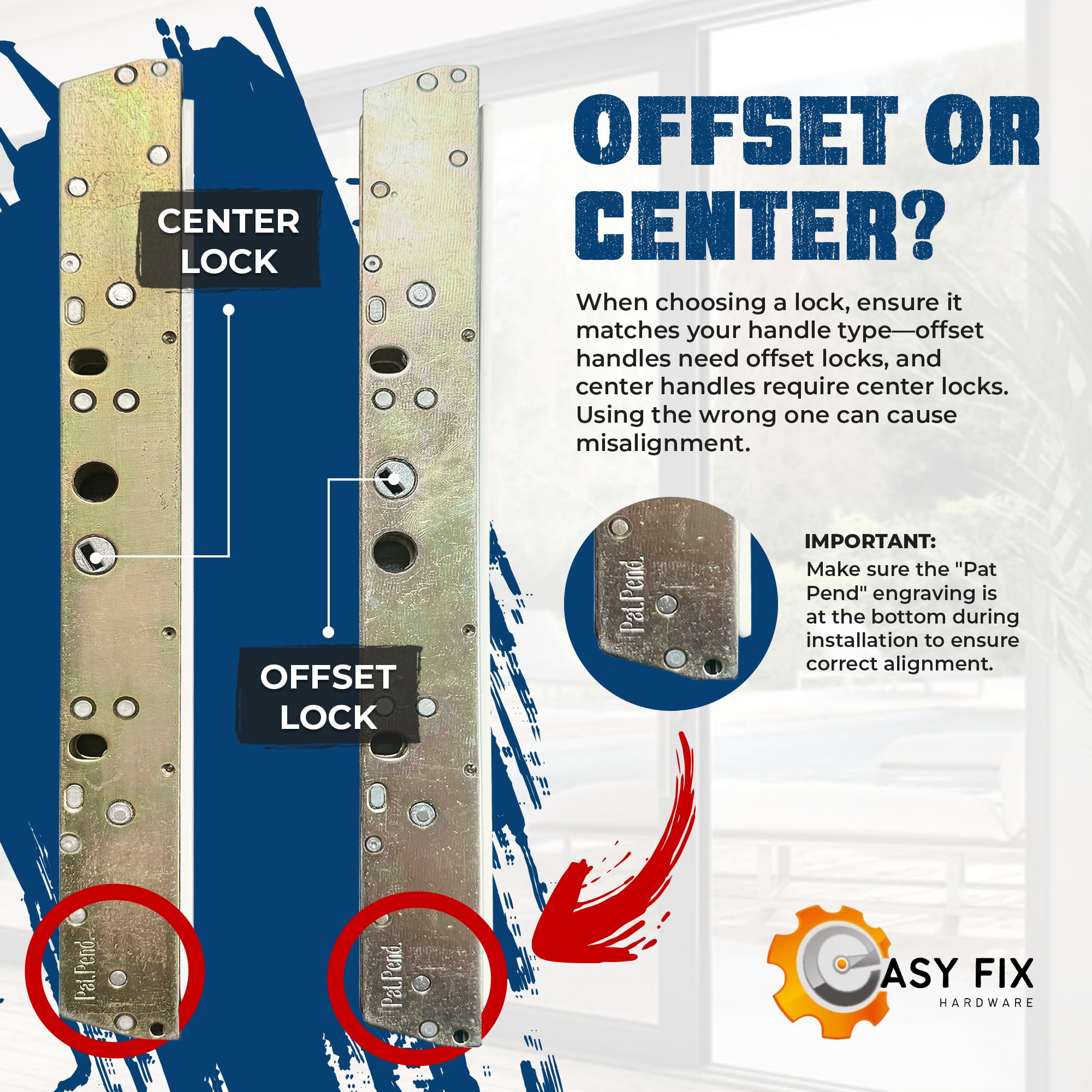
A misaligned strike plate is a leading cause of sliding door lock failure. When the latch doesn’t align with the strike opening, the lock cannot engage properly, leaving the door insecure. This misalignment often results from frame settling, minor impacts, or previous repairs. To diagnose the issue:
- Close the door and observe the latch position from inside the room.
- Check if the latch aligns with the center of the strike plate opening.
- If the latch is visibly lower than the opening, the door panel may have dropped due to worn rollers.
- If the latch is off-center horizontally, the strike plate itself is likely misaligned.
This visual check helps distinguish between a dropped panel and a shifted strike plate—critical for choosing the correct fix.
Adjusting the Strike Plate Position
Once misalignment is confirmed, reposition the strike plate to restore proper alignment. Follow these steps:
- Loosen the screws securing the strike plate to the door frame.
- Gently reposition the plate so the latch aligns with the center of the opening.
- If the plate has slotted holes, slide it into place and retighten the screws.
- If no slotted holes are present, carefully re-drill the holes at the correct angle to secure the plate.
- Test the lock by closing the door and operating the handle to ensure the latch engages smoothly.
Avoid forcing the plate into position. If re-drilling is needed, use a drill bit slightly smaller than the screw diameter to maintain a snug fit. Proper alignment ensures the lock functions reliably and enhances home security.
Addressing a Stuck or Jammed Lock
A stuck or jammed sliding door lock often results from accumulated dirt, rust, or internal mechanical damage. Before assuming the lock is beyond repair, try these proven steps to restore smooth operation.
Cleaning the Lock Mechanism
Debris buildup in the lock cylinder and internal components is a frequent cause of stiffness. Use the following steps to clear obstructions:
- Open the door fully and locate the lock cylinder and latch mechanism.
- Use a can of compressed air to blow out dust, sand, or debris from the lock cylinder and surrounding areas.
- Focus on the latch bolt and strike plate interface, as these areas commonly trap particles.
- For stubborn buildup, use a soft brush or cotton swab to gently dislodge debris, then blow again.
Avoid using water or damp tools, as moisture can accelerate rust. This cleaning step resolves many jamming issues caused by environmental debris.
Lubricating the Lock Components
After cleaning, apply a dry lubricant to reduce friction and improve movement. Follow these guidelines:
- Use graphite powder or a dry PTFE-based lubricant—both are ideal for locks.
- Apply a small amount directly into the keyhole and along the latch bolt path.
- Avoid oil-based lubricants like WD-40, as they attract dust and grime, worsening the problem over time.
- Operate the lock several times after lubrication to evenly distribute the product.
This step ensures smooth engagement and retraction of the latch. If the lock remains stiff after cleaning and lubrication, internal damage may be present, requiring lock replacement.
Replacing Worn or Broken Latch and Handle Components
When internal lock components fail, the entire locking system becomes unreliable. Identifying and replacing worn or broken parts is essential for restoring security and functionality.
Testing the Latch for Wear
Before replacing any part, verify the latch condition through a simple test:
- Open the door fully and operate the handle manually.
- Observe the latch movement: a healthy latch retracts smoothly into the lock body and snaps back out cleanly when released.
- If the latch hesitates, sticks partially extended, or only moves partway, it is worn or damaged.
- A failing latch cannot reliably engage the strike plate, leaving the door insecure.
This test confirms whether the issue lies with the latch itself, not alignment or external obstructions.
Replacing the Lock Cartridge or Handle Assembly
Once wear is confirmed, replacement is necessary. Follow these steps:
- Remove the existing handle and lock assembly by unscrewing the mounting hardware.
- Extract the lock cartridge or handle unit, noting its brand and model for matching.
- Install a brand-matched replacement—PGT, CGI, Andersen, Pella, Marvin, Fleetwood, and Milgard use unique geometries.
- Reattach the new component and test the latch operation.
- If the handle moves freely but the latch does not respond, replace the entire handle assembly to avoid alignment issues.
Using a compatible part ensures proper fit and function. Never substitute with generic or mismatched components, as they can create new alignment problems.
Dealing with a Loose or Wobbly Lock
A loose or wobbly lock compromises your home’s security and increases the risk of forced entry. Even minor movement can prevent the latch from engaging properly, leaving your sliding door vulnerable. Addressing this issue promptly ensures the lock functions as intended and maintains the integrity of your door’s security system.
Checking for Loose Mounting Screws
Inspect the screws that secure the lock mechanism to the door edge. Over time, vibrations and regular use can loosen these fasteners, causing the lock to shift or wobble. Look for:
- Visible gaps between the lock and the door frame
- Screws that turn easily without holding tight
- A lock that moves when the handle is operated
Use a screwdriver or power drill with a bit that matches the screw head to tighten each mounting screw. If the screw holes are stripped, consider using a longer screw or inserting a wooden matchstick into the hole to provide temporary grip before reinserting the screw.
Securing the Lock Mechanism
Once screws are tightened, ensure the entire lock assembly is stable. If the lock still wobbles, the issue may be deeper—such as a damaged door edge or misaligned track. In such cases:
- Verify the door is properly aligned and slides smoothly
- Check for wear on rollers or track debris that could cause misalignment
- Confirm the strike plate is correctly positioned to receive the latch
If the lock remains unstable after tightening and alignment checks, consider replacing the entire lock mechanism with a heavy-duty model designed for durability and secure mounting. A properly secured lock ensures reliable performance and long-term safety.
When to Call a Professional for Sliding Door Repairs
Recognizing Complex or Persistent Issues
If cleaning, realigning, and lubricating the lock do not resolve the issue, it’s time to consider professional assistance. Persistent problems like a lock that won’t engage, a key that won’t turn, or a door that appears closed but remains unlocked often indicate deeper mechanical or structural issues. These may include internal lock damage, frame misalignment, or a dropped door panel due to worn rollers.
In coastal or humid climates, seasonal expansion of wood frames can shift alignment, making a previously functional lock ineffective. Ignoring these signs risks compromised security and further damage.
- A lock that fails to retract or extend despite proper handle operation may have internal component failure.
- If the door slides unevenly or feels stuck, the rollers or track may be severely worn.
- Visible gaps between the latch and strike plate, even after adjustment, suggest misalignment beyond DIY correction.
- Repeated lock cartridge replacements without success point to underlying frame or track issues.
Benefits of Professional Diagnosis and Repair
Professional repair services offer expertise and tools that go beyond basic DIY fixes. Trained technicians can accurately diagnose complex issues such as internal lock damage, cylinder misalignment, or structural frame shifts. They have access to brand-matched replacement parts, including lock cartridges, strike plates, and rollers, ensuring a precise fit and long-term reliability. For issues requiring re-drilling, structural adjustments, or full system recalibration, professionals ensure the repair is done safely and correctly.
- They perform a full assessment, identifying root causes like roller wear or frame swelling.
- Use of correct tools and replacement parts prevents future failures.
- Many companies offer same-day service with a free on-site estimate, minimizing downtime.
- A professional repair ensures your door functions securely and smoothly for years.
Preventing Future Sliding Door Lock Issues
Regular Maintenance and Cleaning
Prevent lock failures by establishing a routine maintenance schedule. Debris buildup in the track is a leading cause of misalignment and jamming, especially in homes near beaches or gardens.
- Use a brush attachment on your vacuum to clean the track thoroughly.
- Focus on the area where the door panel meets the jamb—this is a common spot for sand, mulch, and pet hair to accumulate.
- Perform this cleaning at least twice a year, or more frequently in high-debris environments.
Inspect the lock mechanism for visible dirt or corrosion. Use compressed air to blow out internal components, ensuring the latch and cylinder move freely.
- Avoid using oil-based lubricants, as they attract dust and can degrade internal parts over time.
- Instead, use a dry graphite or PTFE-based lubricant annually for best results.
Monitoring for Environmental Effects
Environmental changes, particularly in humid or coastal climates, can significantly impact lock performance.
- Seasonal swelling of wood or wood-clad frames can shift the door’s position.
- This often causes misalignment between the latch and strike plate.
- A lock that worked in one season may fail in another—commonly observed in areas like Florida.
Monitor your door’s operation during seasonal transitions. If the door closes smoothly but the lock won’t engage, check for slight frame movement.
- Address minor misalignments early by adjusting the strike plate or repositioning the latch.
- Apply a dry graphite or PTFE-based lubricant annually to prevent corrosion and maintain smooth operation, especially in salt-affected areas.
Conclusion
A sliding door that won’t lock is rarely due to a broken lock—it’s usually caused by misalignment, debris, worn rollers, or a shifted strike plate. The most common culprit is a dropped door panel from worn rollers, which leaves the latch too low to engage the strike, not a faulty lock mechanism. Before replacing parts, always test alignment, clean the track thoroughly, and verify the latch and handle function.
If basic fixes don’t work, replace worn components like the lock cartridge or handle assembly with a brand-matched part, and reposition the strike plate if needed. For persistent issues—especially in humid or coastal climates—professional diagnosis ensures accurate repair and long-term security. Addressing the root cause promptly keeps your home safe and your door operating smoothly.
FAQ
What is the most common reason a sliding door won’t lock?
The most common reason is a dropped door panel due to worn rollers, which lowers the latch below the strike plate. This misalignment prevents the latch from engaging, even if the door appears to close properly. In humid climates like Florida, this issue is especially prevalent and often mistaken for a lock failure.
Can I fix a jammed sliding door lock myself?
Yes, many jammed locks can be fixed at home. Start by cleaning the lock and track with compressed air and a vacuum. If the lock remains stiff, apply a dry graphite or PTFE-based lubricant. Avoid oil-based products, as they attract dirt. If the lock still doesn’t work, check for debris, misalignment, or worn components.
How do I know if my strike plate is misaligned?
Close the door and look at the latch in relation to the strike plate opening. If the latch is visibly off-center—especially if it’s too high, too low, or shifted horizontally—the strike plate is likely misaligned. A horizontal offset usually means the plate needs repositioning, while a vertical gap may indicate a dropped door panel.
What should I do if my lock still doesn’t work after cleaning?
If cleaning doesn’t resolve the issue, test the latch and handle operation. If the latch doesn’t retract or extend fully, it may be worn and need replacement. Check for debris in the track, which can prevent full closure. If the door still won’t lock, inspect the strike plate alignment and consider replacing the lock cartridge or handle assembly with a brand-matched part.
Does humidity affect sliding door locks?
Yes, humidity can affect sliding door locks in two ways. First, it can cause wood frames to swell seasonally, shifting the door’s position and disrupting lock alignment. Second, in coastal areas, salt and moisture accelerate corrosion in metal components. Regularly applying dry graphite lubricant helps prevent these issues and maintains smooth operation.
When should I call a professional for a sliding door lock issue?
Call a professional if cleaning, realigning, and lubricating don’t fix the problem. Persistent issues like a non-responsive key, internal lock damage, or a door that won’t close fully may indicate deeper problems like frame misalignment or severe roller wear. Professionals can diagnose root causes and replace parts correctly, ensuring long-term security and performance.